The Perfect Trail Tea Break: Finding Peace by the River
A quiet tea break backpacking along Yosemite's Tuolumne River — a small pause to remind us why we're here.
About This Route
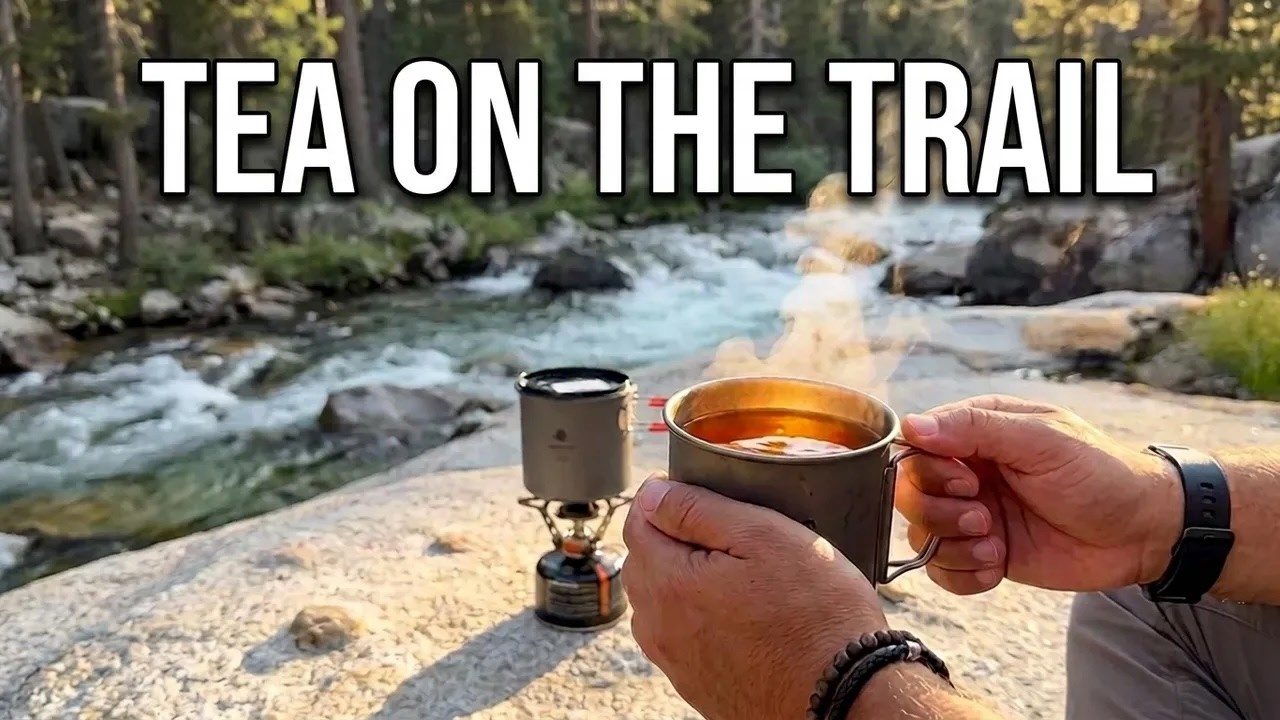
We stopped along the Tuolumne River in Yosemite for a "quiet" tea break in the middle of our first day backpacking—a small pause to slow down and take in the surroundings. I quoted quiet because the river was actually quite loud. It's one of the amazing features of Yosemite: the power and noise from a rushing river over granite.
To give you some context, this was Vung's first-ever backpacking trip, and it was the first one I’d been on in probably eight to ten years. It was an amateur leading a total newbie. We were excited, but definitely a little nervous. Did we pack everything we needed? Did we pack too much? Are we going to be able to hike all the way to camp?
To make things more interesting, we didn't actually know where camp was. Our permits didn't allow us to stay in the campsite near our destination, so we had to find a site at least one mile away from it. In other words, we had a lot of open questions. But all that anxiety quickly fades away the moment you see the vastness of Yosemite and hear the power of the Tuolumne rushing by.
After a couple of hours of steady hiking, we found an open area near the river that looked too inviting to pass up. It was the perfect time to let our bodies rest for a few minutes, hydrate, and enjoy the beauty around us.
Sometimes the best reset on a long day isn't a landmark or a mile marker—it's five minutes with a cup of tea by moving water.
Why We Carried a Stove (Even When Trying to Pack Light)
We packed fairly light (about 25 lbs each), but with it being Vung's first trip, she wasn't ready to give up hot coffee. That stove allowed us to enjoy a "magic moment" right by the river. It is one argument for bringing one along, even if you are counting ounces. For a short trip you have to decide if it's worth it. My main concern was ensure a pleasant as possible trip for Vung so she wouldn't be "turned off" but the experience. A hot meal at night, a hot cup of coffee in the morning, and a warm cup of tea by the river can certainly make the experience more enjoyable.
How Long Should I Boil My Water?
While we enjoyed the water directly from the source, it's vital to remember that water from a river can carry risks, necessitating proper treatment.Safety Rule: At sea level, a one-minute rolling boil is enough, but above 6,500 feet, this increases to three minutes due to lower atmospheric pressure and lower boiling temperatures. Note: Because of the elevation (over 8,000 ft) and the rapidly moving water, we relied on a 3-minute boil for our tea. It is always safest to filter first and then boil. Boiling kills organisms but doesn't remove chemicals or heavy metals.
- Note we didn't bother filtering since the water flows rapidly and we were close to the source. Not too worried about heavy metals and other things. If you want to be truly safe then filter the water first then boil. That will cover your bases pretty good.
Cover the pot to bring water to a boil quicker.
Budget the fuel. Three minutes at a rolling boil, several times a day, adds up over a multi-day trip more than people expect.
Why Tea Breaks (or any breaks) Are Important
What a real break does:
- Rehydrates you before you're thirsty. Thirst lags behind actual dehydration, and dehydration shows up as fatigue, headache, and bad decisions long before it feels like thirst.
- Lets your legs recover enough to genuinely change how the second half of the day feels.
- Gives you a chance to fix small problems while they're still small — the hot spot that becomes a blister, the strap that's been digging in for two miles.
- Resets your head. Hard stretches feel shorter when they're broken up.
- You didn't hike out here to look at the trail three feet in front of your boots.
A hot drink specifically does something a water bottle doesn't: it forces the break to last long enough to count. You can't rush a cup of tea. Boiling the water, waiting for it to steep, waiting for it to cool enough to drink — that's fifteen or twenty minutes of actually sitting still, which is roughly what your legs wanted anyway.
Leave No Trace, Even for Tea
- Pack out your tea bags. They don't break down quickly, and "it's organic" isn't the standard.
- Scatter leftover water well away from the source — at least 200 feet from any river or lake.
- Use a stable, flat spot for the stove, clear of dry grass and duff. Even a small backpacking stove can start a fire.
- Check fire restrictions before you go. Yosemite regularly restricts stove use during high fire danger, and rules vary by elevation and season.
- Draw water from moving current where you can, rather than a stagnant edge pool.
More From This Trip Is Coming
This was a small moment from a much bigger trip — Vung's first backpacking trip, along the Tuolumne River in Yosemite's high country.
The full trip video is in the works, along with a gear breakdown covering what we packed, what earned its place, and what we'd change. If you want the whole story rather than the tea break, that's what's coming next.
Subscribe on YouTube so you catch it when it lands.
In the meantime, the two gear reviews from this same trip are already up:
- Katadyn Hiker Pro review — how we handled water when we weren't boiling it
- Bear canister review — the one that nearly ended the trip before it started
- More of Our Favorite Gear – These are items we use regularly, some we even review for you!
⚠️ A Note on Conditions
Never drink untreated water from a backcountry source, however clear it looks. Boil for one minute at low elevation, three minutes above 6,500 feet — which covers most of Yosemite's high country — or use a filter or chemical treatment appropriate to the water source. Carry a backup treatment method in case your primary one fails. Check current fire restrictions before using a stove anywhere in the park; restrictions change with conditions and are enforced. And drink before you're thirsty: at altitude, on a long day, dehydration builds quietly and shows up as fatigue and poor judgment before it ever feels like thirst.